



Starting in early high school, for some reason, whenever I was asked the question, “What do you want to be when you grow up?” I began answering, “Happy.”
I wasn’t a deep philosopher by any means; I just didn’t really know. But the older I get, the more I wonder if it was the most honest answer I could have given.
We tend to think of happiness as an end goal. We imagine it waiting for us somewhere in the distance: after we graduate, get the right job, fall in love, get married, have children, buy a house, lose the weight, or buy whatever thing we have convinced ourselves will make everything feel complete.
Then, surely, happiness can begin, right?
But what if happiness was never meant to be a finish line?
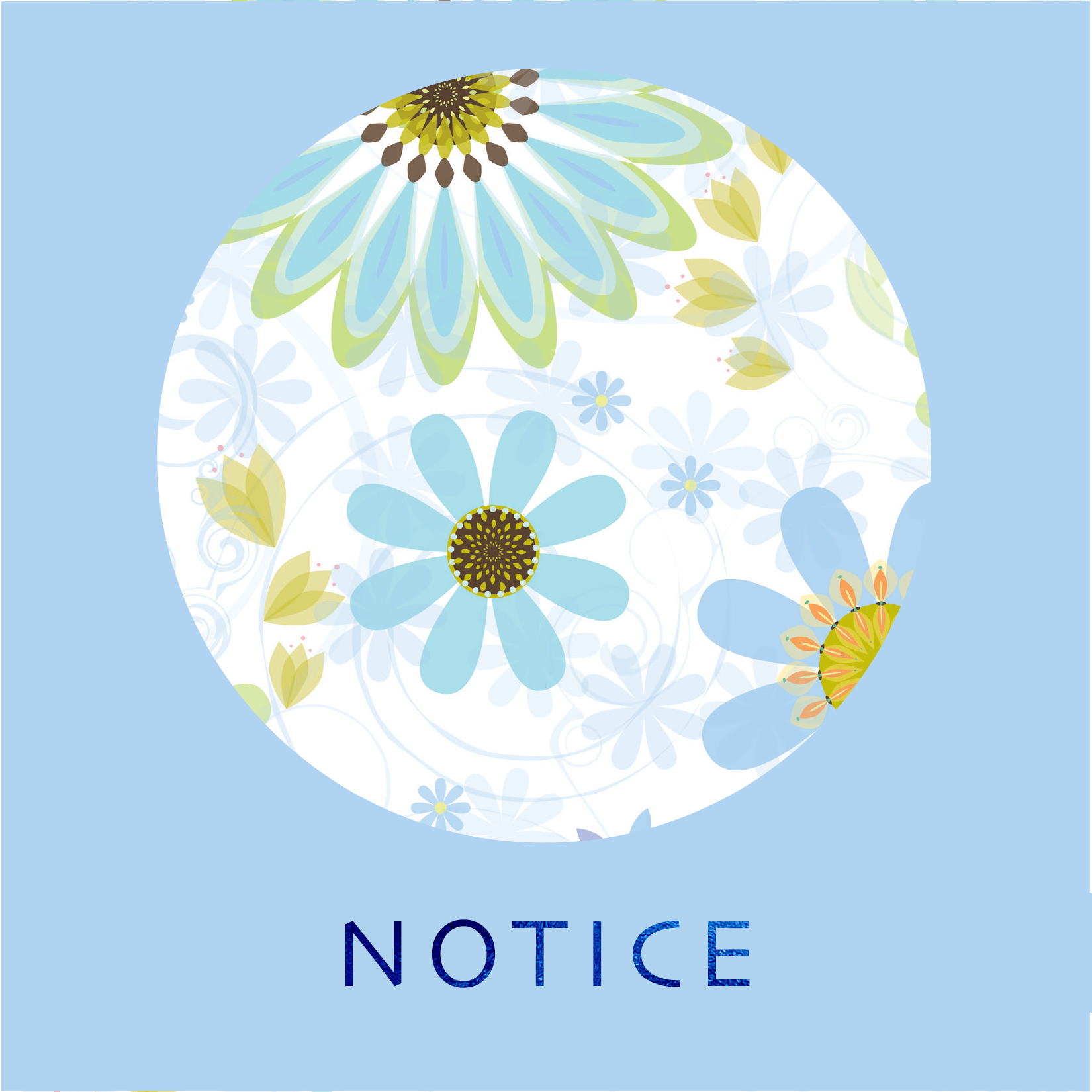
Little Things In Life Card #1 – Notice
Perhaps happiness is better understood as a process — a way of moving through life rather than a place we eventually arrive.
Think about a river. We don’t expect a river to stop flowing so it can finally become a successful river. It changes direction, rises and falls, and responds to the landscape around it. Sometimes it moves quickly; sometimes it barely seems to move at all.
Our lives are much the same.
The concept of flow asks us to stop clinging so tightly to a particular emotional destination and instead become present to what is happening now. Rather than constantly chasing happiness or resisting every change in circumstance, we can practice acceptance, presence, and adaptability.
Happiness may emerge as a by-product rather than a target.
There is something surprisingly profound about this kind of philosophy: stop waiting for the perfect conditions to begin enjoying your life.
Of course, going with the flow is easier said than done.
Our paths toward happiness are constantly interrupted by comparison. We live in a culture where other people’s carefully curated versions of happiness are thrust in front of us all day long. We see the beautiful kitchen, the perfect vacation, the impressive career, the effortless body. Consumerism has become remarkably good at convincing us that happiness is just one purchase away.
Our brains naturally make connections: Oh. That’s the secret.
But in the immortal words of Mr. Ping in Kung Fu Panda: “There is no secret ingredient.”
Little Things In Life Ornament #1 – Red-Connect
This is why appreciation matters. As we explored in “Appreciation Without Comparison,”[1] comparison pulls our attention away from our own lives. Appreciation brings it back.
When we shift our focus from What do they have that I don’t? to What do I have that I value? fulfillment can suddenly feel much closer.
That may be the impossible question.
Is happiness whatever makes us smile? Whatever makes us laugh? Whatever brings comfort when we can neither laugh nor smile? Does happiness become more meaningful because we know sadness, disappointment, and despair?
Philosophers have been wrestling with these questions for centuries.
Aristotle’s concept of eudaimonia describes something deeper than temporary pleasure: a flourishing life shaped by virtue and the development of one’s character. Stoicism emphasizes reason, virtue, and learning to distinguish between what we can and cannot control. Epicureanism, despite its modern association with indulgence, actually emphasizes modest, sustainable pleasures and freedom from unnecessary anxiety.
These philosophies differ, but they share an important idea: happiness is not simply something that happens to us.
As discussed in Emily Fletcher’s exploration of happiness, “Happiness…is a process, a way of living, and a continuous engagement with the world.”[2] The common thread is that happiness requires engagement — through virtue, reason, presence, or the thoughtful pursuit of pleasure.
That sounds remarkably different from scrolling through our phones looking for the next thing that will make us feel complete.
Maybe happiness isn’t about maximizing pleasure or eliminating discomfort. Instead, it may be about learning how to live well within the circumstances we actually have.

“April: Plant your own garden and decorate your own soul, instead of waiting for someone to bring you flowers,” wrote Veronica Shoffstall.[3]
We can pursue meaningful goals without making our happiness dependent on achieving them. Appreciation remains possible without pretending everything is perfect. Pleasure can be enjoyed without demanding that it last forever. Disappointment does not have to define our entire life.
And perhaps most importantly, we can learn to know ourselves. The more we understand what genuinely brings us joy—rather than what we’ve been told should make us happy—the less vulnerable we become to comparison, consumerism, and the endless chase for an imaginary finish line.
Because…maybe happiness was never the point.
Maybe the point was to be present enough to notice our lives while we’re living them. To move with the current instead of constantly fighting it. To appreciate the ordinary moments that don’t announce themselves as happiness. To struggle, change, rest, begin again.
To enjoy ourselves because, indeed, it is later than we think.[4]
And perhaps happiness, when it comes, doesn’t need to be captured at all.
Maybe we simply let it flow through.
Because happiness isn’t a destination. It’s something we discover by fully engaging with the life we’re already living …
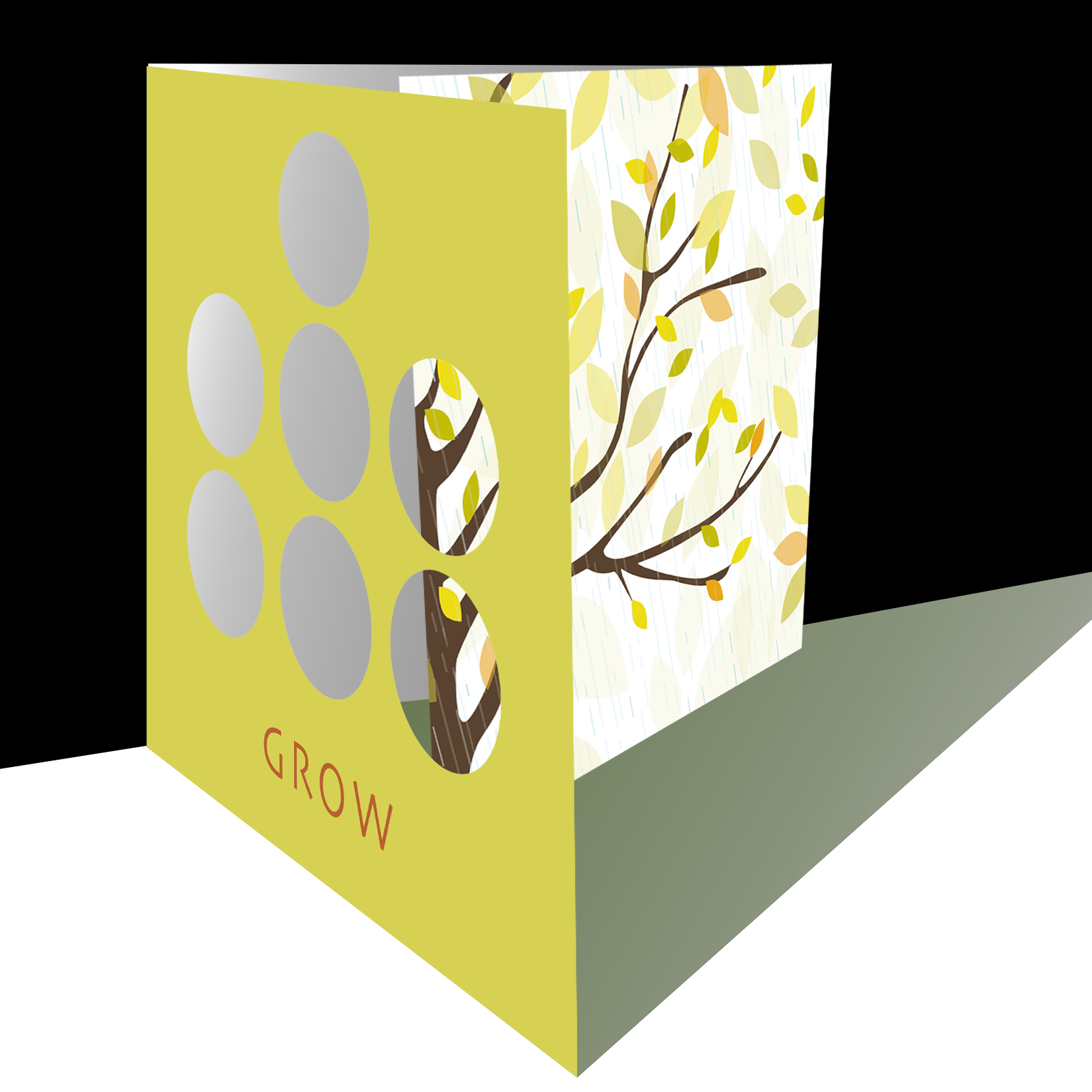
These handcrafted notecards and ornaments invite you to pause, notice, and appreciate the life already unfolding around you.
———-
References
[1] Appreciation Without Comparison: Introducing Little Things That Make Life Big
[2] https://www.planksip.org/the-experience-of-happiness-and-happiness-1763647865787/
[3] https://www.realliferesilience.com/blog/after-while-poem-borges-shoffstall
[4] https://en.wikipedia.org/wiki/Enjoy_Yourself_(It%27s_Later_than_You_Think)