



The sun rises over the Atlantic, cleaving a golden arrow directly toward Otter Cliff overlook. A gold only matched by the yellow, red, and orange shades of the autumn trees spread throughout Acadia. Crisp, biting air strikes your ears, and the wind through the evergreens echoes the repeated crash of small whitecaps below. The beauty is so intense that you involuntarily breathe short and quickly reach for your phone camera to capture this moment. Nature has created a vision worthy of keeping, showing to others, and talking about for many years to come.
I have never been to Acadia. However, as a native Pacific Northwesterner, I’ve had this very experience countless times in the PNW, as well as other locations I’ve visited around the world. Yet, we need not necessarily travel to become emotionally connected to a place. Historically, art has been one of the primary ways people have connected with distant landscapes. Early explorers returned home with drawings of mountains, forests, plants, and animals. Later, mid-century airline posters romanticized faraway destinations, inspiring people to travel and experience the world for themselves.
But we cannot love nature in a vacuum. Forests, lakes, rivers, wetlands—such places will not remain untouched without active care and protection. History has shown that when humans enter these spaces without restraint, beauty alone is not enough to preserve them.
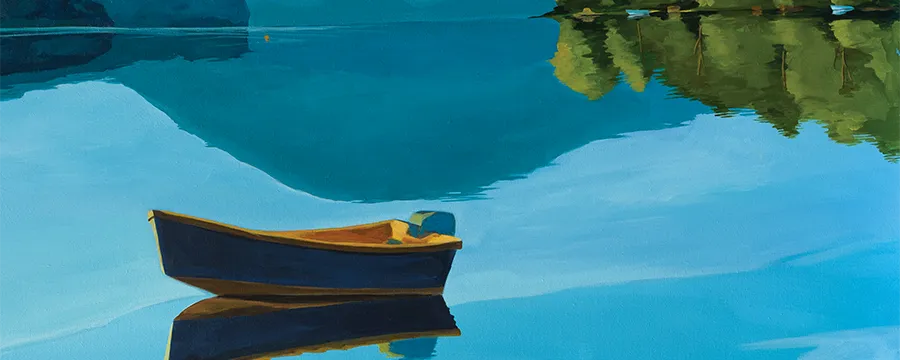
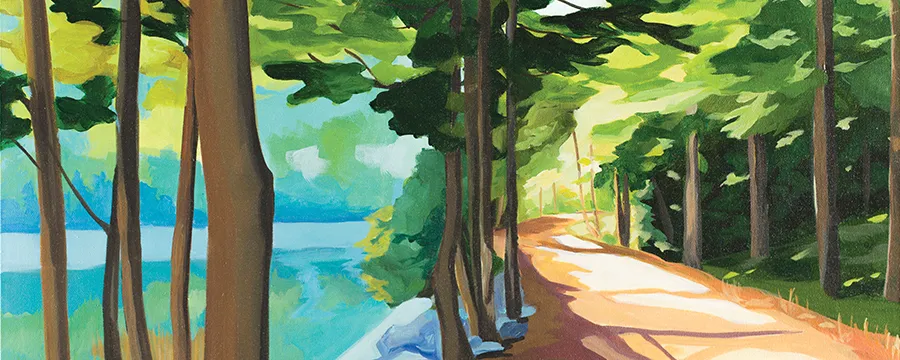
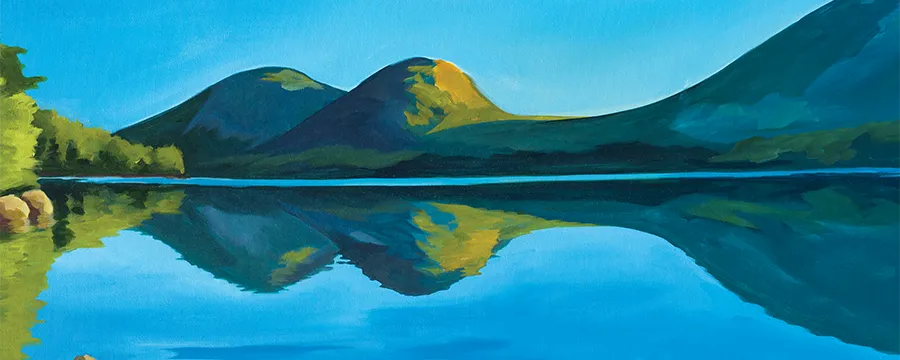
We are proud to release the 2027 edition of the Acadia National Park calendar, featuring artwork by Catherine Breer — a celebration of some of the most beloved wild landscapes in the United States. Breer’s work captures breathtaking locations in Acadia such as Jordan Pond, The Bubbles, Otter Cliff, Porcupine Islands, Salt Marsh, and more. Through her peaceful paintings, these landscapes can remain present in our homes, our routines, and our memories long after the moment itself has passed.
From prehistoric cave paintings to modern digital photography, humans have always documented the natural world through art. Landscapes have served as both inspiration and record, capturing places that stirred fear, curiosity, and wonder. In nineteenth-century America, the Hudson River School became especially influential, celebrating untamed wilderness through sweeping, luminous paintings of forests, mountains, and rivers. Artists such as Albert Bierstadt portrayed the American West with dramatic scale and romantic grandeur, helping shape the nation’s imagination of wilderness as something sacred and worth preserving.
Long before many Americans could travel easily across the country, paintings and illustrations introduced people to distant landscapes they might never see in person. These works helped transform wilderness from something viewed as hostile or unproductive into something beautiful and culturally valuable. Public fascination with these images contributed to early support for national parks and protected lands.
Acadia itself reflects this long relationship between art and wilderness. Granite coastlines rise sharply above the Atlantic while dark evergreen forests stretch inland through valleys and hills. Thick ocean fog rolls over rocky cliffs in the morning before giving way to brilliant autumn foliage or icy winter shorelines. Acadia constantly shifts in color, texture, and atmosphere, offering artists endless opportunities for interpretation.
Art possesses a unique emotional power because it slows us down. In a world dominated by constant distraction, visual imagery invites observation and reflection. Art is a personal, emotional path, and each viewer leads themselves along a unique storyline connected to the image they are seeing. Even when unspoken, each individual experiences a private moment with art, assigning unique meanings, conflicts, and emotions to what they see.
This emotional process creates attachment. Conservation often begins with emotional connection before action. If there is one thing humans excel at, it is exploitation. We cannot send thousands of people to marvel at the Earth’s natural wonders without also committing to protect them. Without conservation, admiration quickly turns into consumption. Art helps bridge that gap by transforming appreciation into responsibility.
Art can also inspire mindfulness. “Touch grass” has become a common phrase throughout the web-o-sphere, a reminder to step away from our screens and go outside. Environmental art reinforces that instinct by reminding us what exists beyond our digital lives, and in the face of environmental threats, art becomes more important than ever.
Acadia National Park spans approximately 49,000 acres along the coast of Maine and ranks among the top ten most visited national parks in the country. Its landscapes combine rugged shoreline, dense forest, mountain peaks, and ever-changing coastal weather into an environment that feels almost cinematic.
Maine is a land of many seasons, giving endless new backdrops from which to view nature and create art. The fiery foliage of autumn gives way to quiet snow-covered forests in winter, while spring fog and summer wildflowers reshape the landscape yet again. Acadia rarely looks the same twice, which is part of what keeps artists returning year after year.
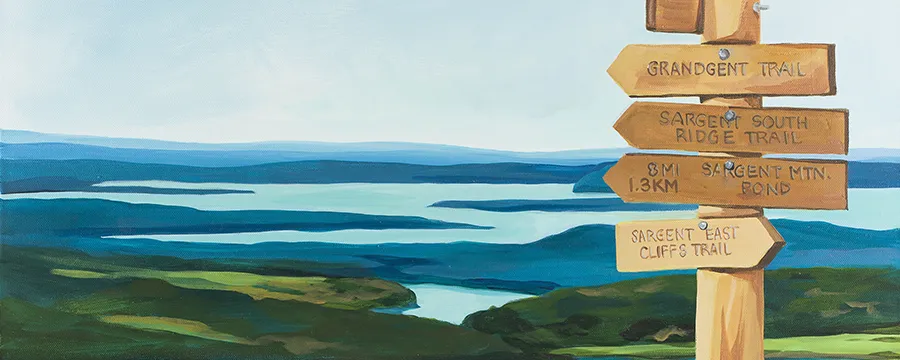
Through Catherine Breer’s landscape paintings, our 2027 Acadia National Park calendar captures the atmosphere and emotional presence of these landscapes. Each piece seeks not only to document a location, but also to preserve the feeling of standing within it. Whether it is the sharp coastal wind at Otter Cliff or the calm reflections across Jordan Pond, the goal is to bring viewers closer to the emotional experience of the landscape itself.
No one person is going to visit every corner of the world, so it remains that we must bring some of the world into our homes. Artwork inspired by natural places serves as a bridge between daily life and the environments that continue to shape our collective imagination.
Our 2027 Acadia National Park calendar serves not simply as decoration, but as a meaningful reminder that these places are worth seeing, worth remembering, and worth protecting. Each month offers a new window into Acadia’s landscapes, encouraging viewers to reconnect with nature throughout the year rather than during a single vacation or seasonal trip. Just like the changing seasons themselves, each month of the calendar introduces a new location to reflect on.
Unlike artwork that may blend into the background over time, a calendar continuously changes. Each new month introduces a different scene, perspective, and emotional tone. This repeated interaction keeps nature present in everyday routines—whether in a kitchen, office, classroom, or studio. The calendar becomes less of a passive object and more of an ongoing relationship with the landscapes it portrays.
More importantly, the calendar reinforces the idea that protected landscapes deserve continued public appreciation and support. By keeping these scenes visible throughout the year, the artwork encourages viewers to remain emotionally connected to the forests, coastlines, mountains, and wetlands that define Acadia.
I spent countless hours outdoors as a kid. My family hiked, camped, and played in public parks. But I did not fully understand the value of those places at the time. They were simply there—something I took for granted. After all, nature is bigger than us; how could it not always exist?
As an adult, I have come to realize how precious these places are, and how easily they can be lost. Visual art prominently displayed in our homes or offices becomes more than decoration. It serves as a constant reminder of what still exists beyond our routines—and what future generations deserve the opportunity to experience for themselves.
Over time, memories fade in ways photographs and artwork can help preserve. A painting of a coastline or a framed landscape photograph can instantly return us to a specific feeling—the smell of pine needles after rain, the sound of waves against rock, or the silence of snowfall in the woods.
Alongside inspiration must come awareness. The same forces that draw us to beauty can also endanger it if we are not mindful. Artists have long been among the first to sound the alarm. One of the most recognizable examples is The Lorax by Dr. Seuss—a children’s story carrying a clear warning about unchecked industrial growth. If this concept is simple enough for young children to understand, why is it consistently framed as a complex issue?
For decades, painters, writers, photographers, and other creatives have helped us see what is at stake, reflecting both the wonder of the natural world and the risks it faces.
Every day, we hear more about federal cuts to public parks and lands. Recent news highlights additional funding reductions to national parks, limiting their ability to hire enough staff to keep these spaces clean, safe, and accessible. At the same time, more funding is being directed toward private industry—expanding clearcutting, drilling, and development in wild areas. More buildings. More pavement.
Yet the continued popularity of America’s national parks reveals something deeply human. Hundreds of millions of people seek out wild places each year because they offer perspective, wonder, and connection to something larger than ourselves.
If art can help sustain that connection—keeping these landscapes visible, meaningful, and emotionally alive—then it can also help inspire the stewardship needed to ensure they endure for generations to come.
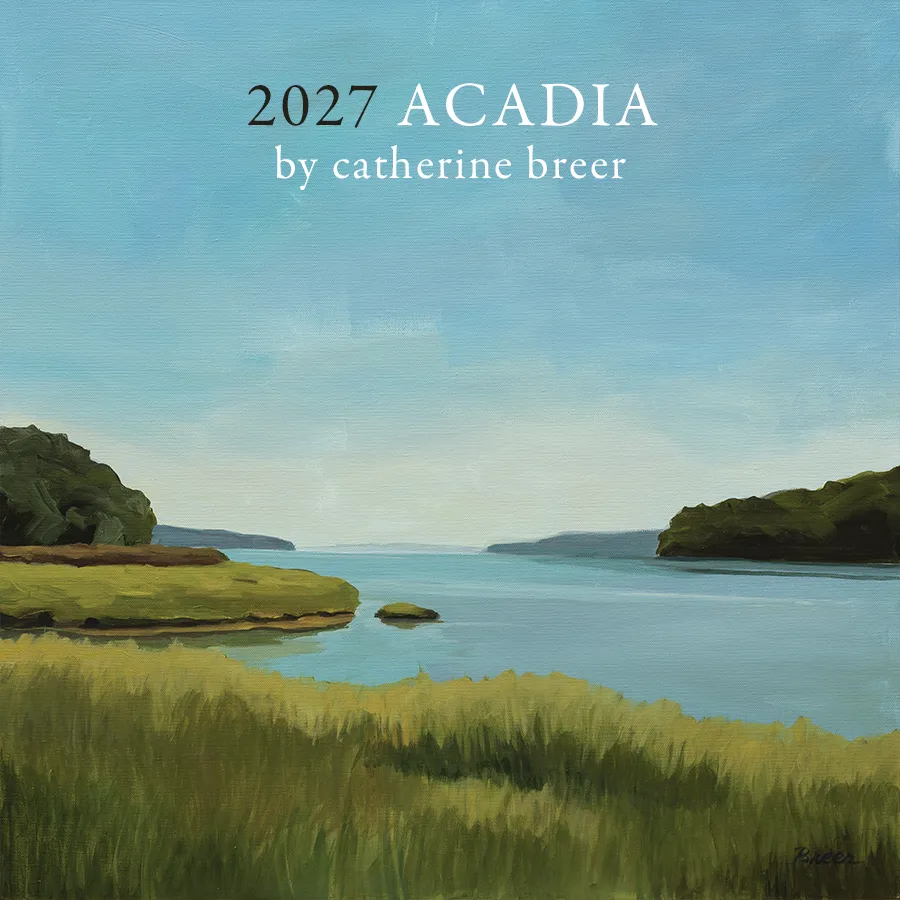
Banner image: Mt Desert Early Morning by Catherine Breer, cropped